A Journey of Dialogue and Discovery: My Experience in India
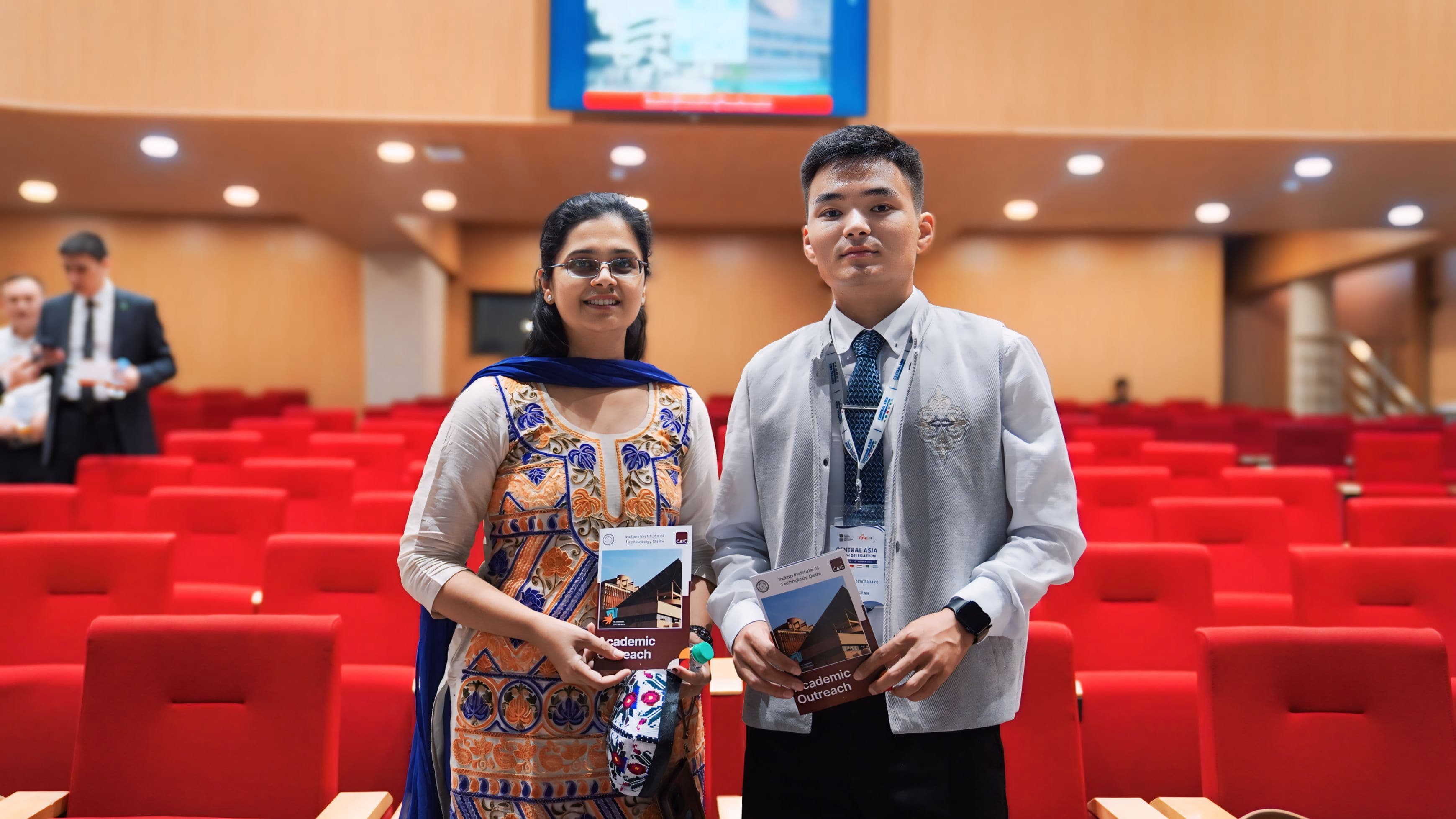
In 2025, I had the privilege of visiting India as a delegate of the 3rd India Central Asia Youth Delegation Forum. For me, the journey was more than a diplomatic event or an international conference. It was a deeply meaningful opportunity to experience a country that has long maintained historical, cultural, and intellectual ties with Central Asia.
As someone who grew up in Kazakhstan and now teaches chemistry at the Nazarbayev Intellectual School in Turkestan, I have always been interested in how countries collaborate through education, science, and youth engagement. The forum offered exactly that: a platform where young professionals from Central Asia could exchange ideas with Indian counterparts about regional cooperation, innovation, and cultural understanding.
From the moment I arrived, India left a strong impression on me. The scale, diversity, and energy of the country was remarkable. Cities moved at an intense rhythm, yet there was also a sense of openness and curiosity among the people I met. India felt both ancient and modern at the same time – a place where centuries-old traditions coexist with technological innovation and ambitious economic development.
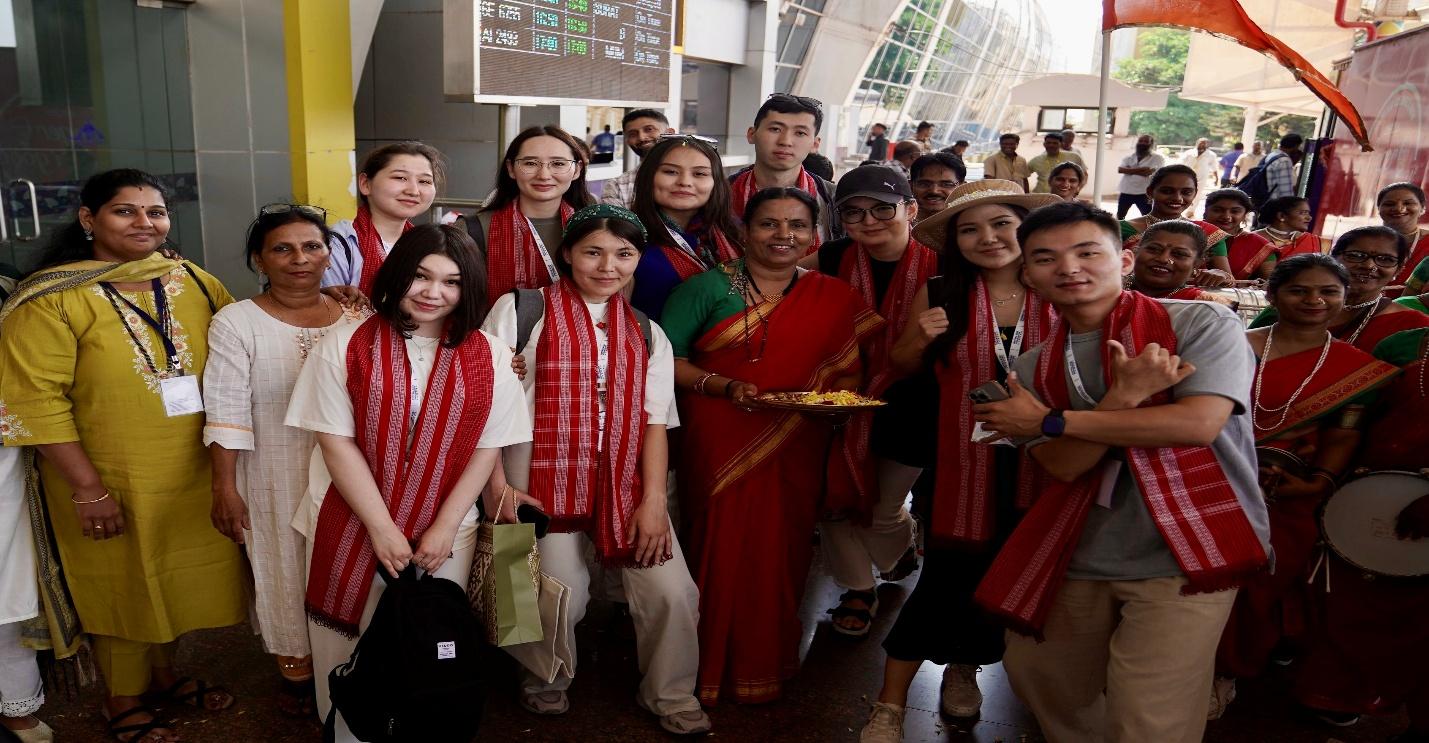
A traditional Indian reception for the Central Asian Youth Delegation, March, 2025
The Youth Forum itself was organised at a very high level by New Delhi. The program included discussions with policymakers, scholars, and young leaders who shared perspectives on regional cooperation between India and Central Asia. These conversations highlighted the strategic importance of strengthening people-to-people connections and building cross-cultural connections. While governments can establish diplomatic frameworks, it is often students, researchers, and young professionals who build the real bridges between societies.
One of the most memorable aspects of the visit was interacting with fellow participants from different countries. Delegates from Kazakhstan, Kyrgyzstan, Tajikistan, Uzbekistan, and Turkmenistan had the opportunity to share their views on regional development and cultural exchange. At the same time, Indian participants introduced us to the intellectual and cultural diversity of their country. These conversations were not limited to formal sessions. Some of the most valuable exchanges happened during informal discussions, shared meals, and cultural visits.
India’s cultural richness also left a lasting impression on me. Walking through historical landmarks and observing daily life offered insights that no book or lecture could fully convey. The architecture, art, and traditions reflected a long and complex history that has shaped the identity of the country. At the same time, I was struck by how strongly young Indians are engaging with global issues such as technology, entrepreneurship, and sustainable development.
Another aspect that impressed me was India’s commitment to education and knowledge exchange. As an educator myself, I was particularly interested in how universities, research institutions, and policy think tanks collaborate to support innovation and international dialogue. The forum demonstrated that India sees education and youth engagement as important tools of public diplomacy and regional cooperation.
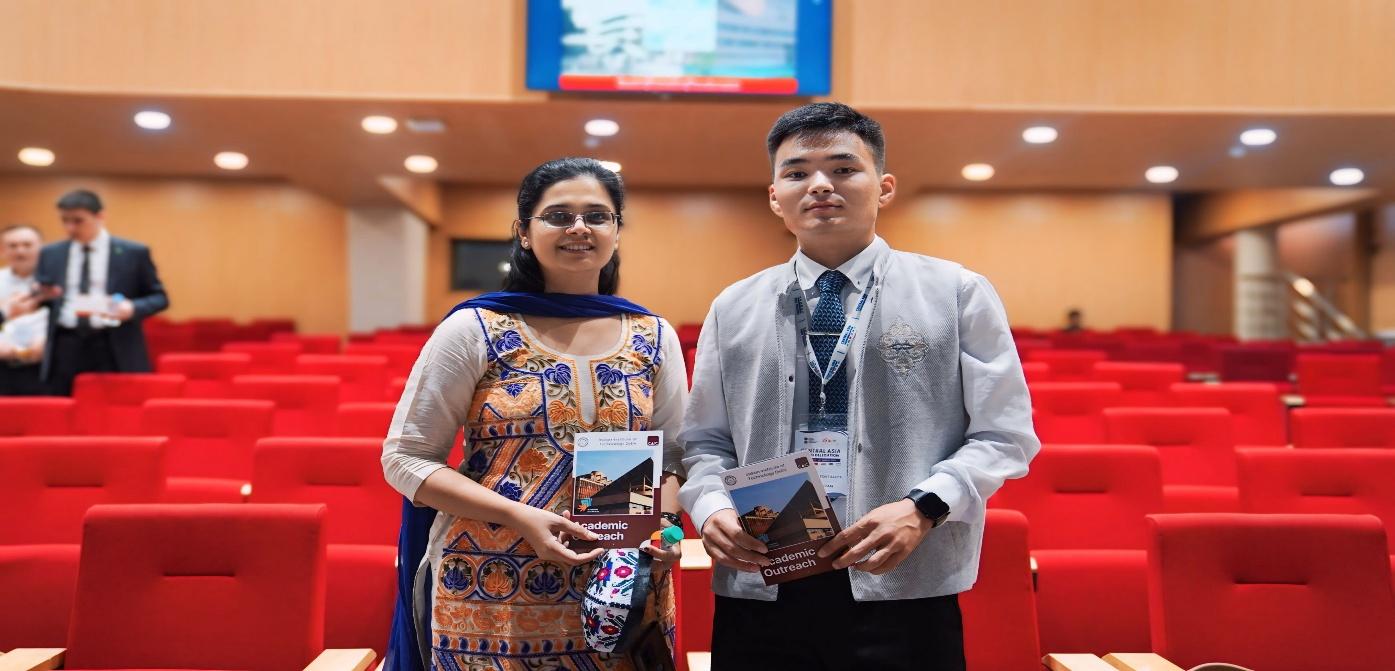
At the Indian Institute of Technology, Delhi, India
For me, the visit also reinforced the historical connections between Central Asia and India, which are more than a millennium old. For centuries, trade routes, cultural exchange, and intellectual interaction linked the two regions. Today, these connections continue in new forms through academic partnerships, cultural initiatives, and youth forums such as the one I attended. It was inspiring to see how modern diplomacy is built upon these historical ties.
One of my main takeaways from the experience is the importance of dialogue and mutual understanding. When people from different countries meet and share their perspectives, stereotypes disappear, and genuine partnerships can emerge. International cooperation becomes more meaningful when it is supported by personal relationships and cultural awareness.
As a teacher, this experience also influenced how I think about education. I realised that preparing students for the future requires more than strong academic knowledge. It also requires global awareness, cultural openness, and the ability to collaborate with people from different backgrounds. Experiences like the India – Central Asia Youth Forum demonstrate the value of international engagement in shaping the next generation of leaders.
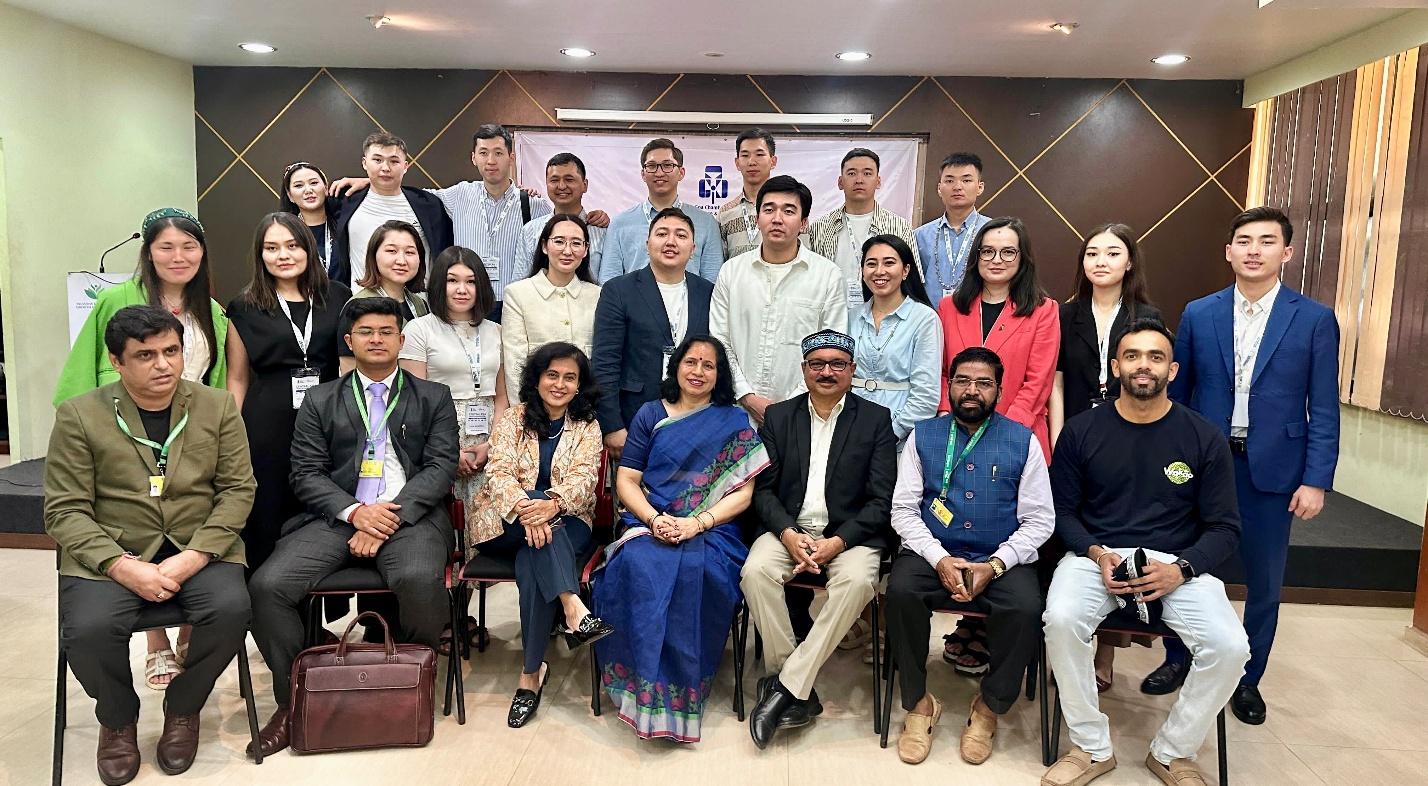
From a meeting with educationists and industry leaders
When I returned to Kazakhstan, I shared my experiences with colleagues and students. Many of them were curious to learn more about India – its culture, society, and opportunities for collaboration. This exchange of stories and perspectives is exactly how international understanding grows: through individual experiences that inspire broader curiosity and dialogue.
Looking back, my visit to India was not only a professional opportunity but also a personal journey of discovery. It allowed me to see a country that is vibrant, diverse, and forward-looking. More importantly, it reminded me that meaningful cooperation between regions begins with human connections.
Initiatives such as the India – Central Asia Youth Forum play an important role in strengthening these connections. By bringing together young people from different societies, they help build the foundations for long-term cooperation and goodwill.
I hope that exchanges between India and Central Asia will continue to grow in the coming years. The potential for collaboration in education, science, culture, and innovation is enormous. For young professionals like me, participating in such initiatives is both a privilege and a responsibility – to carry forward the spirit of dialogue and partnership that these forums represents.
About the Author
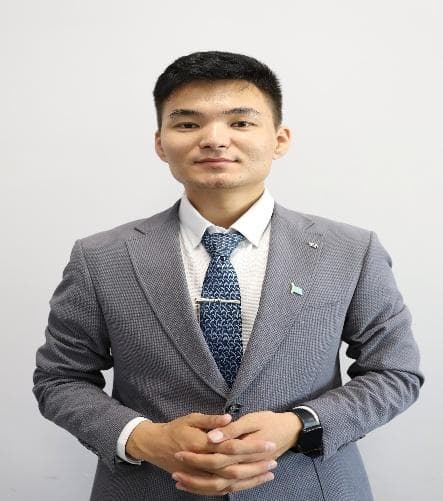
Nurbolat Toktamys
Nurbolat Toktamys teaches chemistry at the Nazarbayev Intellectual School of Science and Mathematics in Turkestan, Kazakhstan. He mentors students in scientific research and actively promotes international youth dialogue, educational collaboration, and cultural exchange between Central Asia and the broader Eurasian region.